
Mulmul: The Softest Cotton You Will Ever Wear
Cotton · Heritage · Craft · India & Bangladesh
Mulmul:
The Softest Cotton
You Will Ever Wear
A fabric so light the Mughal emperors called it woven air — and wept when its secret was nearly lost to history.
Pick up a length of mulmul and hold it to the light. It practically disappears. The weave is so fine — sometimes just 20 threads per centimetre — that the fabric catches air more than it blocks it. Run it across your forearm and you will feel almost nothing. This is not a trick of marketing. This is the result of thousands of years of accumulated knowing about cotton, humidity, and the human hand.
Mulmul — also written malmal, or called muslin in the West — is a plainweave cotton textile made from extraordinarily fine, loosely twisted yarn. Its name is thought to derive from the Persian mulmul, possibly from the city of Mosul in modern Iraq, through which it once travelled the ancient Silk Road. But its soul is entirely South Asian. The finest mulmul ever made — the legendary Dhaka muslin — was grown, spun, and woven within a few square miles of the Meghna River delta in what is now Bangladesh.
Today, mulmul is widely available — block-printed, dyed, embroidered, plain. But the real thing, woven at the finest counts, is extraordinarily rare. Understanding why takes you deep into the intersection of botany, climate, craft, and colonial history.
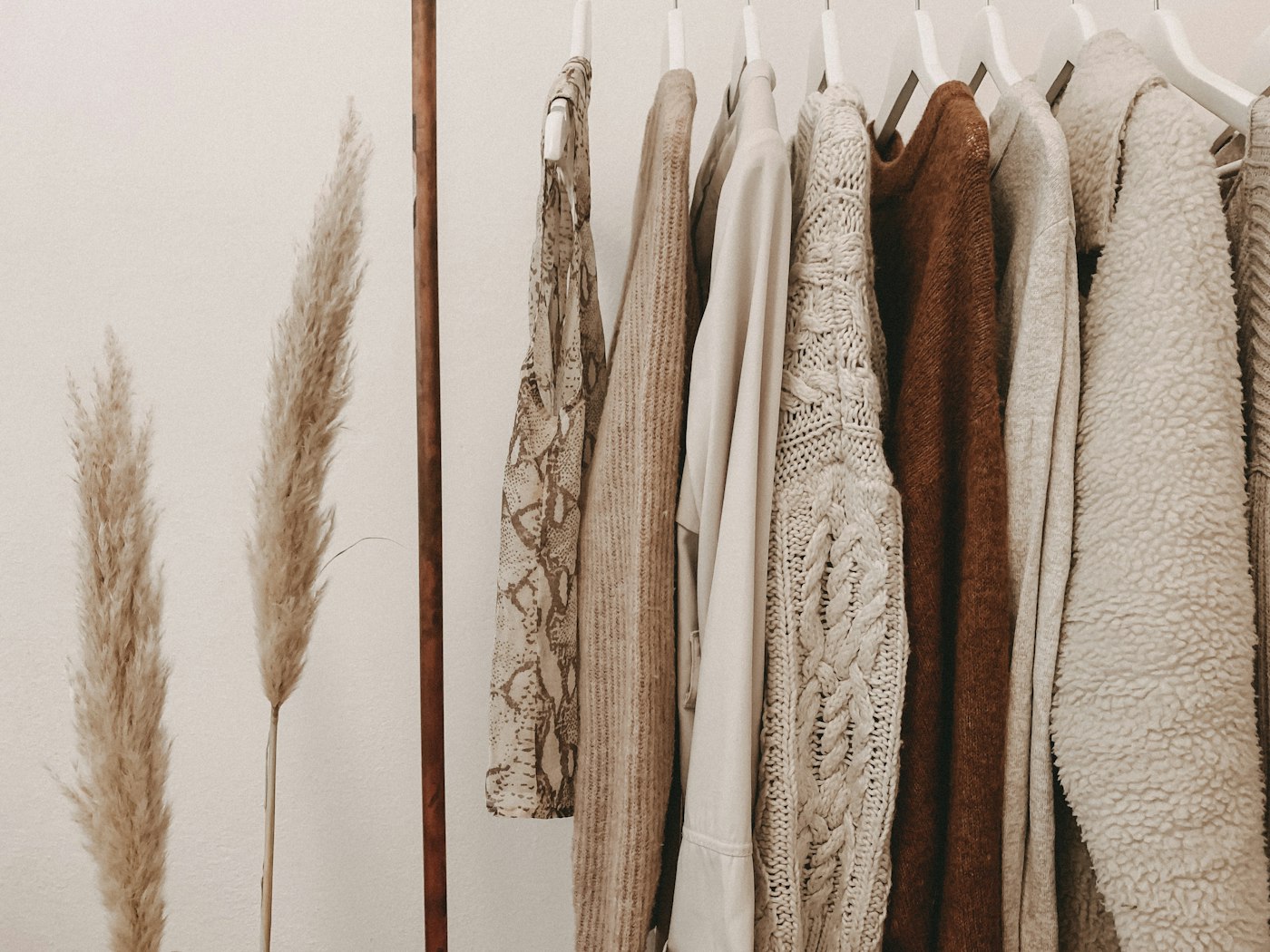
At its finest, mulmul is woven from yarn spun so delicately it must be worked in the pre-dawn hours when river moisture hangs in the air — the only conditions under which such a thread will not snap.
What Makes It So Different From Other Cotton
Not all cotton is the same. Mulmul begins with a specific variety — ideally the long-staple cotton grown in the alluvial riverine soil of Bengal, or its modern equivalents. Long-staple means longer individual fibres, which means the yarn spun from them can be twisted more finely without breaking, which means a finer, softer, more breathable weave.
The thread count — the number of threads woven horizontally and vertically in a square inch — tells you everything about a mulmul's quality. A typical cotton shirt sits around 80–200. A luxury Egyptian cotton sheet reaches 400–600. Mulmul for everyday wear begins around 300. The royal grades of Dhaka muslin — varieties with poetic names like Woven Air, Running Water, and Evening Dew — were woven at counts that modern loom technology still struggles to replicate.
| Fabric Type | Thread Count | Weight (gsm) | Breathability |
|---|---|---|---|
| Standard cotton shirt | 80–120 | 150–200 | Moderate |
| Egyptian cotton (luxury) | 400–600 | 120–160 | Good |
| Mulmul (everyday) This | 300–500 | 50–80 | Excellent |
| Fine mulmul / Jamdani This | 600–900+ | 20–45 | Exceptional |
| Historic Dhaka muslin | 1,200–1,800 | 8–15 | Unmatched |
That bottom row — the historic Dhaka muslin — is the benchmark against which everything else is measured. A full sari of Woven Air weighed less than six grams and could pass through a finger ring. A British merchant in 1787 reported that 10 yards of it fit inside a matchbox. These are not myths. They are recorded trade documents.
6g
1,800
50°C
3,000
From Mughal Courts to Colonial Ruin — and Back
The history of mulmul is a thread that runs through empires, trade routes, grief, and revival.
Ancient Roots
Indian texts including the Arthashastra mention fine cotton fabrics from the Bengal region. Greek accounts describe Indian cloth "finer than woven wind." Trade routes carry it westward to Persia and Rome.
The Mughal Golden Age
Emperor Aurangzeb rebukes his daughter for appearing "nearly naked" at court — she was wearing seven layers of Dhaka muslin. The finest grades are reserved for the imperial household. Weavers of royal cloth receive imperial titles and land grants.
The European Obsession
Dhaka muslin floods European courts. Marie Antoinette commissions gowns from it. The British East India Company ships tonnes annually. Trade economists rank it among the most valuable exports from the entire Indian subcontinent.
Colonial Destruction
British colonial policy imposes ruinous tariffs on Indian textiles while flooding Bengal with cheap Lancashire cotton. The story — later disputed in its most extreme form — that British authorities cut the thumbs of Dhaka weavers entered popular myth, though the economic destruction was real and documented. By 1850, the finest tradition of hand-weaving in human history was effectively extinct.
The Revival
Bangladeshi researchers identify and cultivate Phuti karpas — the nearly extinct cotton species used for Dhaka muslin. Master weavers are traced, trained, and equipped. In 2023, Bangladesh petitions UNESCO for recognition. A new generation of designers begins working with revived Jamdani mulmul.
Mulmul does not just clothe the body. It converses with it — yielding to every movement, cooling every degree of heat, softening with every wash until it feels less like cloth and more like second skin. — On the nature of plainweave cotton at its finest
Not One Fabric — A Family
Mulmul is an umbrella term for a range of fine plainweave cottons. Each has a different character, use, and level of refinement.
Jamdani Muslin
The pinnacle — hand-woven on pit looms with patterns created by individually placing supplementary weft threads. No two pieces are identical. Now a UNESCO Intangible Cultural Heritage. Thread counts of 600–900+. Worn as saris at ceremonies and passed between generations.
Block-Print Mulmul
Fine mulmul used as the base for hand block printing — the fabric most associated with Indian summer clothing. The low weight and high breathability of mulmul hold natural dye beautifully and allow printed patterns to be vivid without stiffness. Used for dupattas, kurtas, and lightweight saris.
Everyday Mulmul
The widely available, genuinely soft cotton used for everything from infant swaddling to kurtas to dupattas. Thread count 300–500. Still dramatically softer and more breathable than standard cotton — the fabric most people mean when they say mulmul.
Chikan Embroidered Mulmul
Delicate shadow-work embroidery on fine mulmul — the speciality of Lucknow. The embroidery complements rather than weighs down the cloth, with pulled-thread work creating a lace-like effect on fabric so sheer it seems impossible to embroider at all. Kurtas in this style are among India's most iconic garments.
Woven in Mist, Finished in Sunlight
Fine mulmul spinning and weaving is one of the most demanding textile processes in existence. The yarn must be spun at humidity levels above 70% — typically at dawn or in covered, riverside workshops — because dry air makes the fragile long-staple fibres brittle and prone to snapping mid-thread.
In traditional Jamdani weaving, two weavers work side by side at a single pit loom, each passing a shuttle to the other in a rhythm they have internalised over years of practice. The motifs — flowers, vines, geometric forms — are not drawn on the fabric first. They exist only in the weaver's memory, placed thread by thread directly from a mental template passed down through family lineage.
Modern production mulmul uses power looms and standard-staple cotton, which is why it is affordable and widely available. The softness is real, but different in character from hand-woven mulmul — more uniform, less alive.


Why Mulmul Feels Like Nothing Else
Softness in a fabric is not random. It comes from the interaction of three things: fibre length, yarn twist, and weave structure. Mulmul optimises all three simultaneously — and that is what makes it so unusual.
Long-Staple Fibre
Longer individual cotton fibres mean fewer fibre ends poking out of the yarn surface. Fewer ends means less friction against skin — that is softness, measurably and literally.
Low Twist Yarn
Mulmul yarn is spun with far less twist than standard cotton. This keeps fibres loose and lofty rather than compressed, trapping more air and creating a cushioning effect when the fabric meets skin.
Open Plainweave
The plainweave structure creates gaps between threads, allowing air circulation. The fabric never traps body heat against the skin — it disperses it. This is why mulmul feels cool even when other cotton feels warm.
There is also a less-explained quality to mulmul that textile scientists call drape. The combination of fine yarn and low thread density means the fabric falls in continuous, unbroken movement — it does not hold a shape or resist the body. It follows. This is why mulmul saris and dupattas photograph so beautifully: the cloth is in constant, liquid motion.
A mulmul fabric that feels slightly stiff when new will soften dramatically after its first three or four washes. The initial stiffness is sizing — a light starch applied during manufacturing. Once washed out, the true character of the cloth emerges. This is the opposite of most synthetics, which degrade with washing rather than improve. Care note — always cold-wash on the first use
How to Wear It — and Make It Last Decades
Mulmul is one of the most rewarding fabrics to own precisely because it demands so little and gives so much back.
Summer Essential
The standard recommendation for South Asian summers above 35°C. Breathes better than linen, softer than voile, more durable than pure silk.
Baby & Newborn Fabric
Unbleached mulmul swaddles and muslin wraps are the global gold standard for newborn care — gentle on sensitive skin, temperature-regulating, chemical-free.
Ideal for Block Print
The open weave holds natural dye deeply and evenly, making block-printed mulmul more vivid and colourfast than the same print on denser cotton.
Improves as a Gift
A quality mulmul sari or kurta is an heirloom textile. Given to someone, it softens over years of wearing — it becomes more personal, not less.
✓ Do this
- Hand wash or delicate machine cycle in cold water
- Use a gentle, pH-neutral detergent
- Dry flat or hang in shade — not direct sun (for printed pieces)
- Iron on medium heat while slightly damp
- Store loosely folded, never compressed for long periods
✗ Avoid this
- Hot water — it causes shrinkage and weakens fibres
- Tumble dryer — heat ruins the loose yarn structure
- Wringing — twist gently or press between towels
- Bleach — destroys both the fabric and any natural dye
- Dry cleaning solvents — unnecessary and damaging
Frequently Asked Questions
Is mulmul cotton good for summer?
Yes, mulmul is one of the most breathable fabrics, perfect for hot climates.
Does mulmul shrink after wash?
Slight shrinkage can happen, so always wash in cold water.
Is mulmul better than cotton?
Mulmul is a finer, softer form of cotton with higher breathability.
Experience the Softest Cotton You'll Ever Wear
Discover handcrafted mulmul pieces made for real summers.
Explore Collection